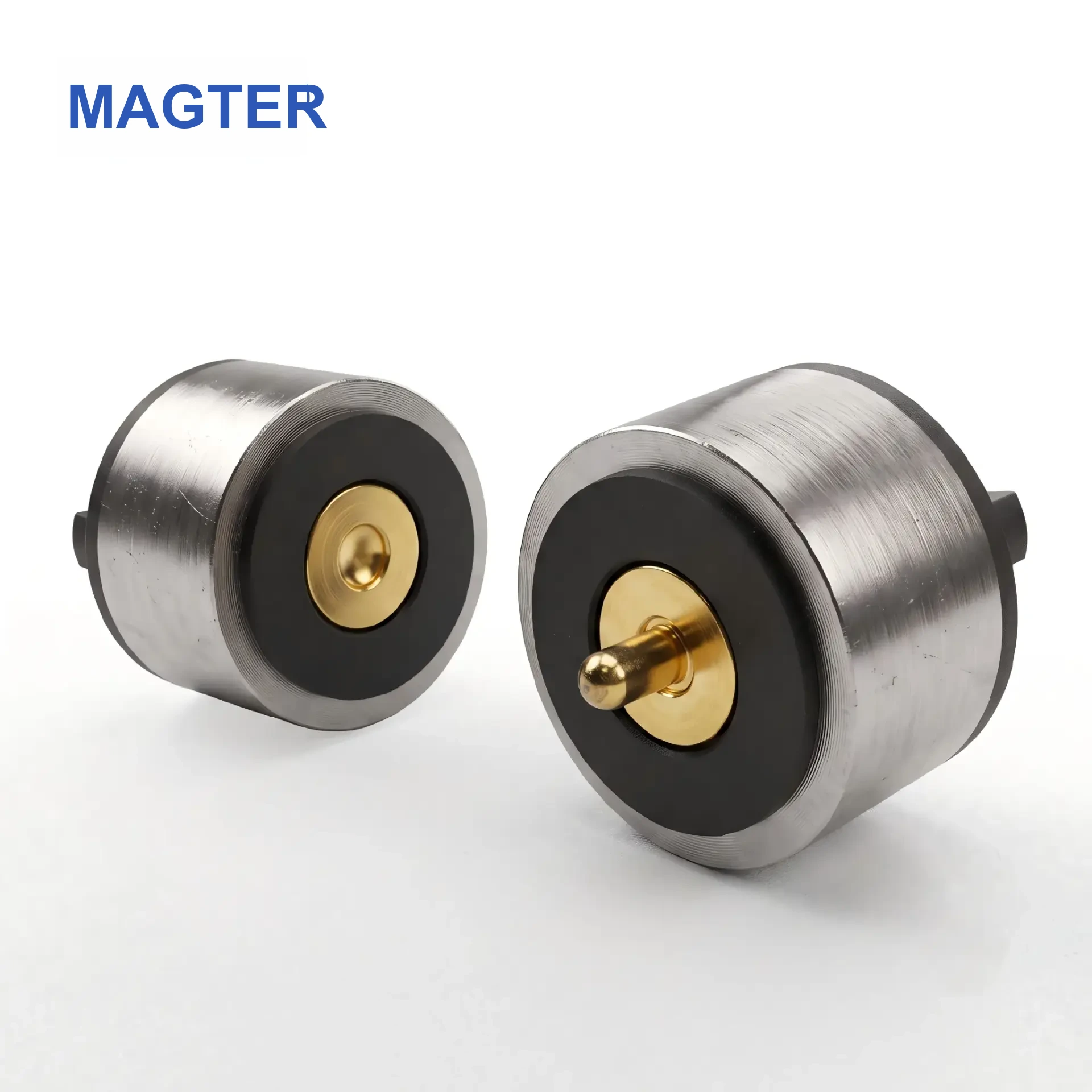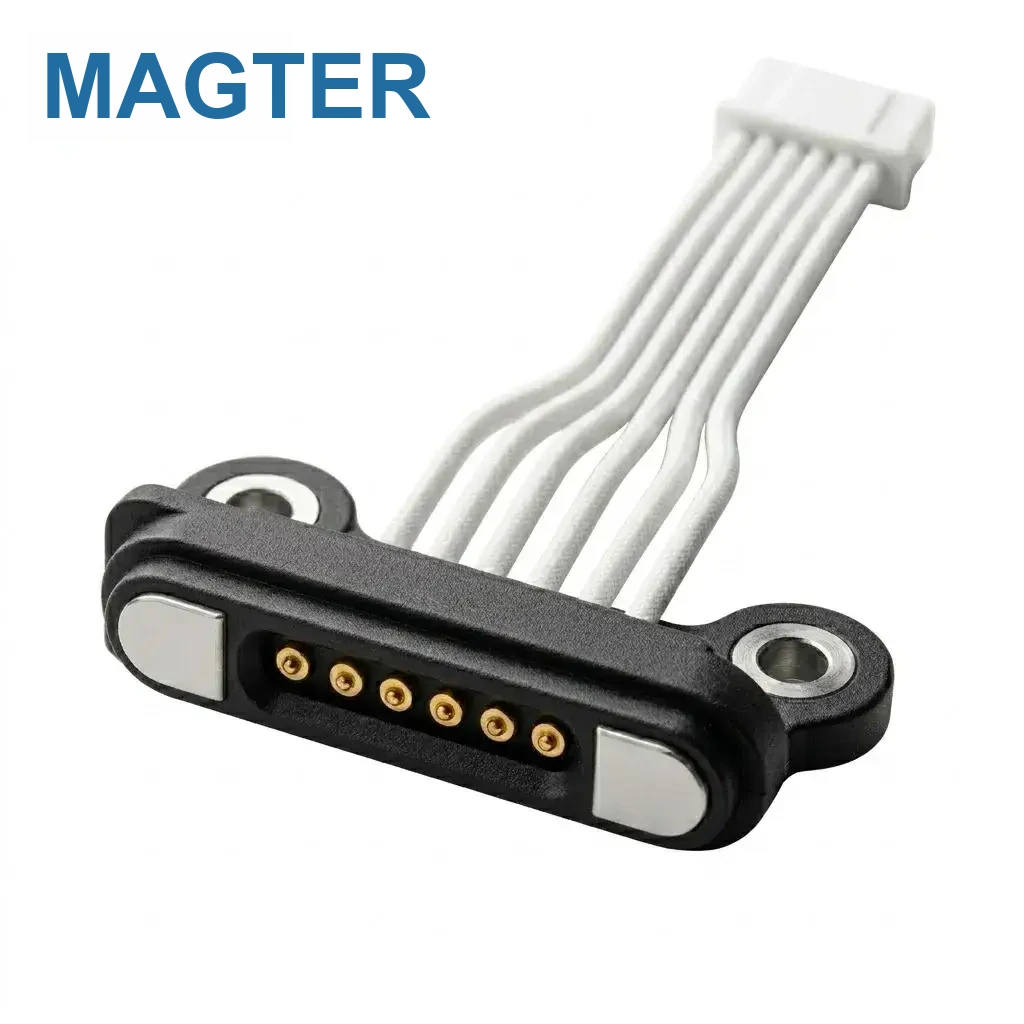
A sample is a controlled engineering checkpoint. It should be inspected against its intended revision and project requirements, not accepted only because it looks correct or powers one device.
1. Identity and version
Record the sample label, quantity, date, drawing revision, cable definition and any known deviation. Photograph the received set and keep one accepted reference when appropriate.
2. Appearance and assembly
Inspect molding, seams, marks, plating, connector finish, polarity indicators, cable exit, strain relief and input connector. Compare cosmetic criteria with the approved requirement rather than an unrelated catalog image.
3. Attraction, release and fit
Check mating direction, self-alignment, rotational control, release behavior and interference in the final enclosure. Include normal cable pull directions and expected user handling.
4. Electrical and data function
Verify every pin assignment, continuity, polarity, voltage and current path. If data or signals are required, test the defined protocol and operating modes with the intended device and host.
5. Cable mechanics
Review length, conductor construction, flexibility, bend near the head, strain relief and input-end retention. Apply only the tensile, swing or flex conditions agreed for the project.
6. Reliability and acceptance record
Complete the agreed electrical, mechanical or environmental checks and state the method and result. Link approval comments to the exact sample and document revision so production receives an unambiguous basis.
Website guidance supports early selection and communication. Final dimensions, materials, electrical performance and validation requirements follow the project-approved drawings, specifications and test records.