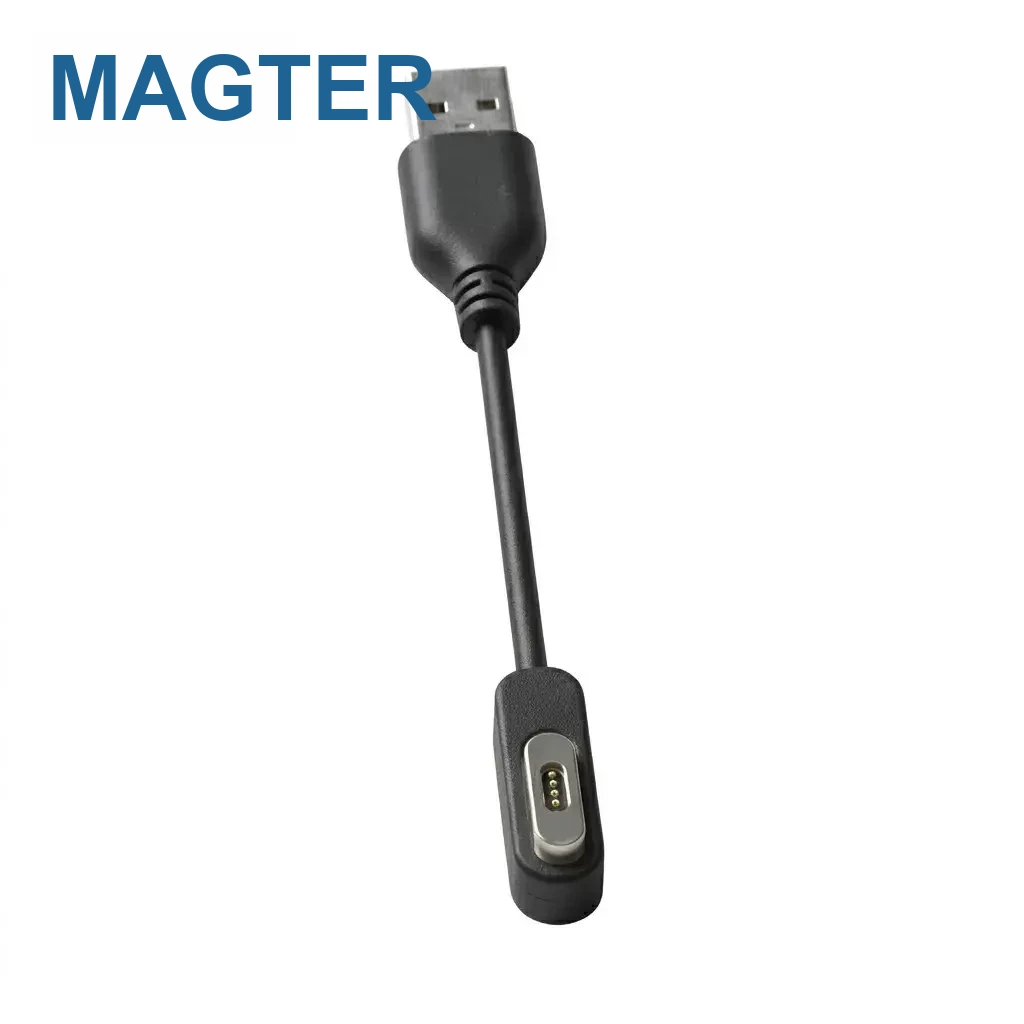
Two quotations can differ because they cover different products, engineering work or verification responsibilities. A useful comparison begins by aligning the delivery and technical boundaries of the RFQ.
1. Product delivery scope
State whether the supplier will provide only a magnetic connector, the device receptacle and cable head, or a complete cable assembly. Confirm the input connector, cable length, packaging and any accessories included.
2. New development and tooling
Identify which existing structure is being referenced and which parts require new design, tooling, molding or fixtures. Separate one-time engineering or tooling work from unit pricing so quotations can be compared on the same basis.
3. Technical construction
Align pin count and assignment, electrical ratings, signal task, contact materials and plating, magnet system, molded materials, cable conductor and shielding, color and cosmetic expectations. Do not compare only the outer appearance.
4. Samples and verification
Define sample quantity, sample stage, documentation, test responsibility and acceptance criteria. Reliability work should name the model, method, condition and pass limit rather than use a broad unqualified claim.
5. Volume and commercial assumptions
Provide forecast quantities, order pattern, target timing, Incoterm or delivery location and packaging expectations. If the forecast is uncertain, request clearly separated quantity tiers.
6. Change and production records
Clarify which drawings, reports, inspection records and change notifications are required. A lower unit price may not include the same documentation or control obligations.
Website guidance supports early selection and communication. Final dimensions, materials, electrical performance and validation requirements follow the project-approved drawings, specifications and test records.