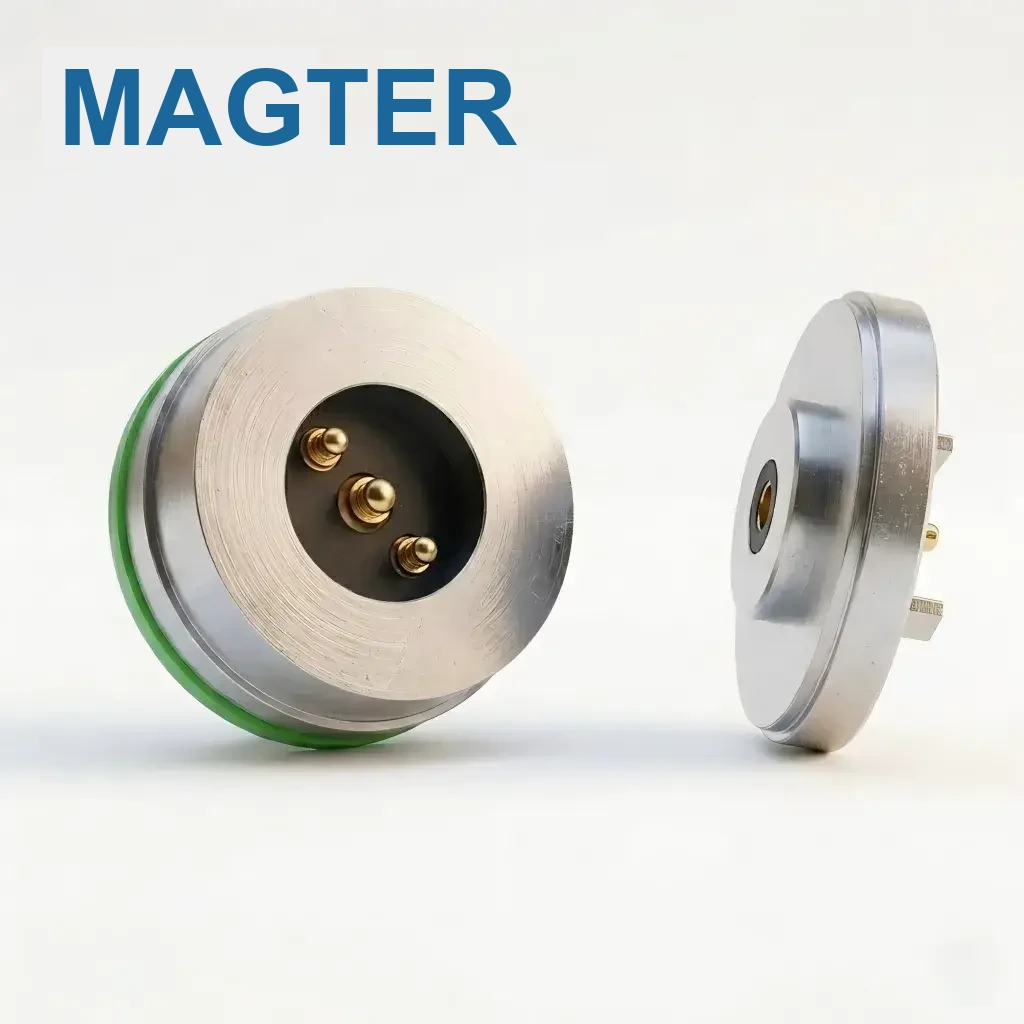
A custom magnetic connector supplier should be evaluated on its ability to turn device requirements into controlled samples and repeatable production—not only on the appearance of previous products.
1–2. Application engineering and contact design
The team should review enclosure space, mating action, electrical task, environment and volume, then translate them into contact geometry, spring travel, pin layout, materials and plating requirements.
3–4. Magnetic and tooling capability
Evaluate magnetic-circuit direction, polarity, attraction and release behavior together with mold, fixture and tolerance planning. Ask how device guidance and magnets work together during offset and rotation.
5–6. Molding and wire processing
For assemblies, confirm internal capability or controlled processes for injection molding, conductor preparation, shielding, cable cutting, stripping, crimping or related wire work.
7–8. Soldering, magnetization and assembly
Review how pin assignments, polarity, solder joints, magnet orientation, molded parts and cable heads are controlled. Appropriate fixtures and work instructions should follow the approved revision.
9. Inspection and reliability verification
Look for incoming, in-process and outgoing checks, CCD visual inspection where appropriate, and access to electrical, mechanical and environmental verification linked to defined methods and acceptance criteria.
10. Change control and traceability
The supplier should identify drawing, material, process and test changes before implementation and maintain records tied to the relevant project or lot. Certifications should be read according to the named holder and scope, not treated as blanket proof for every product.
Use evidence from the actual project
Request a review of your device requirements, sample plan and production handoff. A capable factory should explain what is confirmed, what is assumed and what still needs validation.
Website guidance supports early selection and communication. Final dimensions, materials, electrical performance and validation requirements follow the project-approved drawings, specifications and test records.